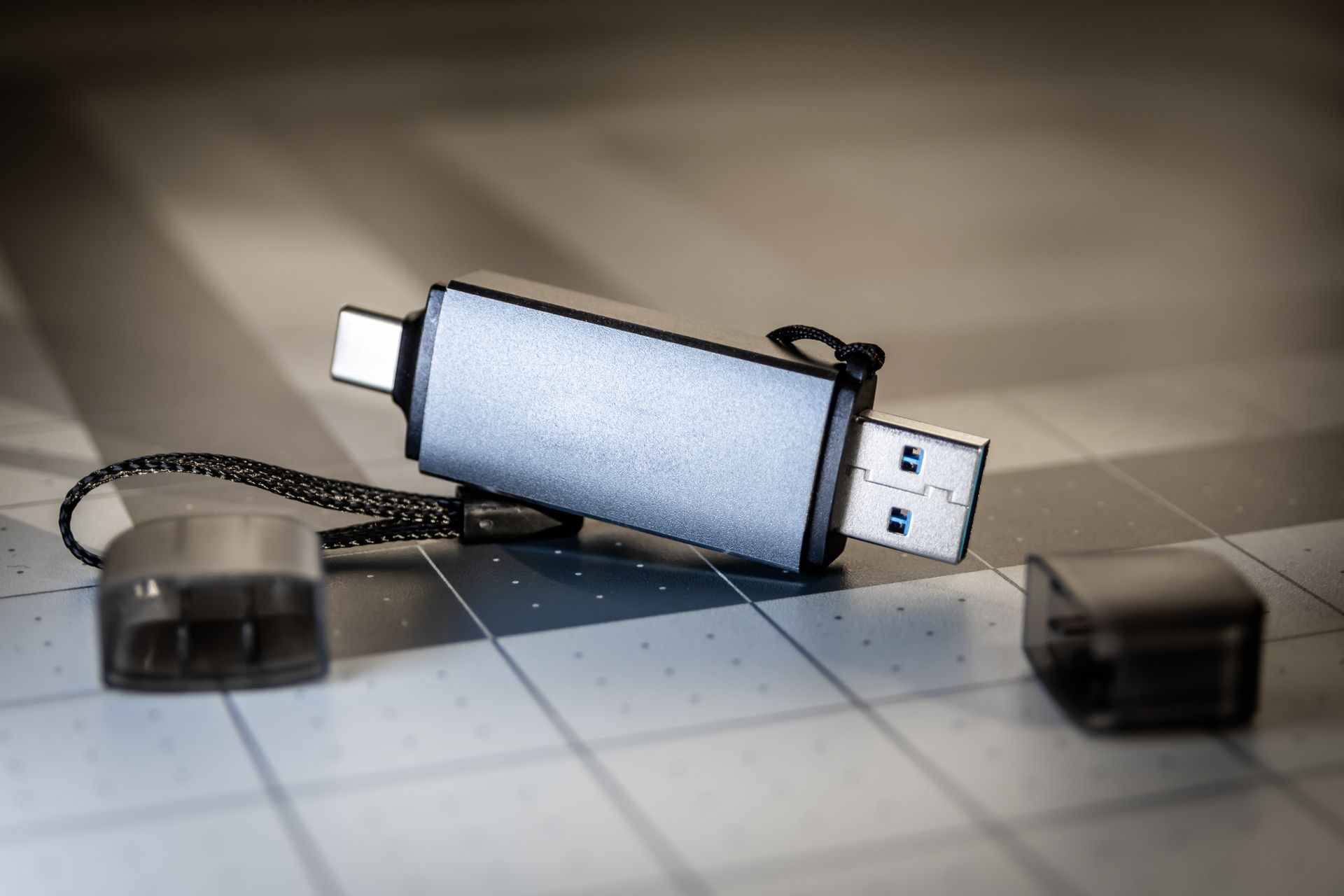
An OpenAI engineer hid a $20 ESP32-S3 behind a TV. DOJ’s Counterintelligence Section prosecuted him.[1][3]
On October 9, 2026, the FBI arrested Abdulrahman Alfozan, a Saudi permanent resident and OpenAI engineer since July 2025.[1] Case 3:26-mj-71329 was unsealed on October 13 in the Northern District of California.[1] The charge: clandestine oral interception under 18 U.S.C. § 2511.[1] The device: a Seeed XIAO ESP32-S3-Sense board (an ~$20 open-source board) wrapped in toilet paper, plugged into a TV’s USB port in an OpenAI executive conference room in San Francisco on ~September 28, discovered on ~September 30.[2] A second recording device was found on ~October 5 inside Alfozan’s unattended bag in a different OpenAI room.[2] The microSD card was encrypted and forensic imaging could not retrieve the contents.[2]
( per the complaint, Alfozan’s productivity-agent query logs between August 17 and September 16 captured searches about OpenAI building addresses, meeting rooms, and calendars.[2] The same week, his wife’s AI chatbot account — sharing identifiers with Alfozan’s — generated prompts about building and modifying an audio recording device.[3] )
What makes this case a structural first: for the first time, a single-count oral-interception charge against a frontier-AI-lab insider has been staffed with a trial attorney from the DOJ National Security Division’s Counterintelligence and Export Control Section (NSD-CI).[3] The Director of National Intelligence, Jay Clayton, issued a public statement framing an OpenAI boardroom as part of “the global super intelligence race”.[1] FBI Director Kash Patel framed the mission as “one of our highest counterintelligence priorities”.[1] OpenAI confirmed in writing that “we have no indications of this individual inappropriately accessing or exfiltrating model weights, source code, or customer data”.[3] This makes OpenAI the first public case where the federal government treats an AI-lab boardroom as a national-security matter.
The question is not whether your team will evaluate AI vendors. It’s whether your RFP demands insider-risk-by-design at signing.[1][3]
( the precedent is March 5, 2026, when Senator Ron Wyden sent letters to Anthropic, Google, OpenAI, and X.AI asking specifically how government customers could use AI products under their contract terms — the first public framework tying AI vendor accountability to government-customer data flow.[4] Representative Greg Casar’s August 31, 2026 follow-up letter to Anthropic questioned “the unwillingness to provide Members of Congress with the information we requested” on cybersecurity incidents.[5] )
Three clauses your enterprise AI/CV RFP needs:[1][4]
- Insider-risk-data-flow-audit-clause.[3] The AI vendor publishes a quarterly audit of internal access to model weights, customer data, and infrastructure secrets — with named accountable officers.[2][3]
- Access-log-immutability-clause.[3] Access logs to model weights and customer data are cryptographically append-only, customer-verifiable on a 30-day cadence.[2][3]
- Customer-controlled-retention-and-deletion-clause.[1] Any data extracted for troubleshooting has a maximum 30-day retention, with cryptographic deletion verification available on request.[1]
In LATAM, where the AI vendor sells through a local integrator, these three clauses are the only architectural control that separates a defensible RFP from one signed without knowing where inference data goes.[5]
P.D. Does your current AI/CV RFP include the three clauses? If the answer is “I don’t know” — today is a good day to revisit it.[1][3]
📰 Source: DOJ press release 26-1173 (Oct 13, 2026) + The Register (Oct 14, 2026) + State of Surveillance (Oct 16, 2026) + Wyden Mar 5, 2026 letter + Casar House Aug 31, 2026 follow-up letter to Anthropic.
Sources
[1] https://www.justice.gov/opa/pr/saudi-national-arrested-installing-surreptitious-audio-recording-device-openai — DOJ press release 26-1173: Saudi National Arrested for Installing Surreptitious Audio Recording Device at OpenAI (Oct 13, 2026) [2] https://www.theregister.com/security/2026/10/14/openai-engineer-charged-after-boardroom-bug-found-wrapped-in-toilet-paper/5303000 — The Register (Connor Jones, Oct 14, 2026): OpenAI engineer charged after boardroom bug found wrapped in toilet paper [3] https://stateofsurveillance.org/news/openai-engineer-boardroom-covert-recorder-fbi-charged-2026 — State of Surveillance (Oct 16, 2026): FBI Arrests Saudi OpenAI Engineer for Covert Boardroom Recorder [4] https://www.wyden.senate.gov/news/press-releases/wyden-questions-major-ai-companies-about-federal-contracts-after-pentagon-bans-anthropic — Wyden Senate press release (Mar 5, 2026): Wyden Questions Major AI Companies About Federal Contracts After Pentagon Bans Anthropic [5] https://casar.house.gov/sites/evo-subsites/casar.house.gov/files/evo-media-document/anthropic-follow-up-letter.pdf — Rep. Greg Casar House follow-up letter to Anthropic (Aug 31, 2026): re OpenAI + Anthropic cybersecurity incidents