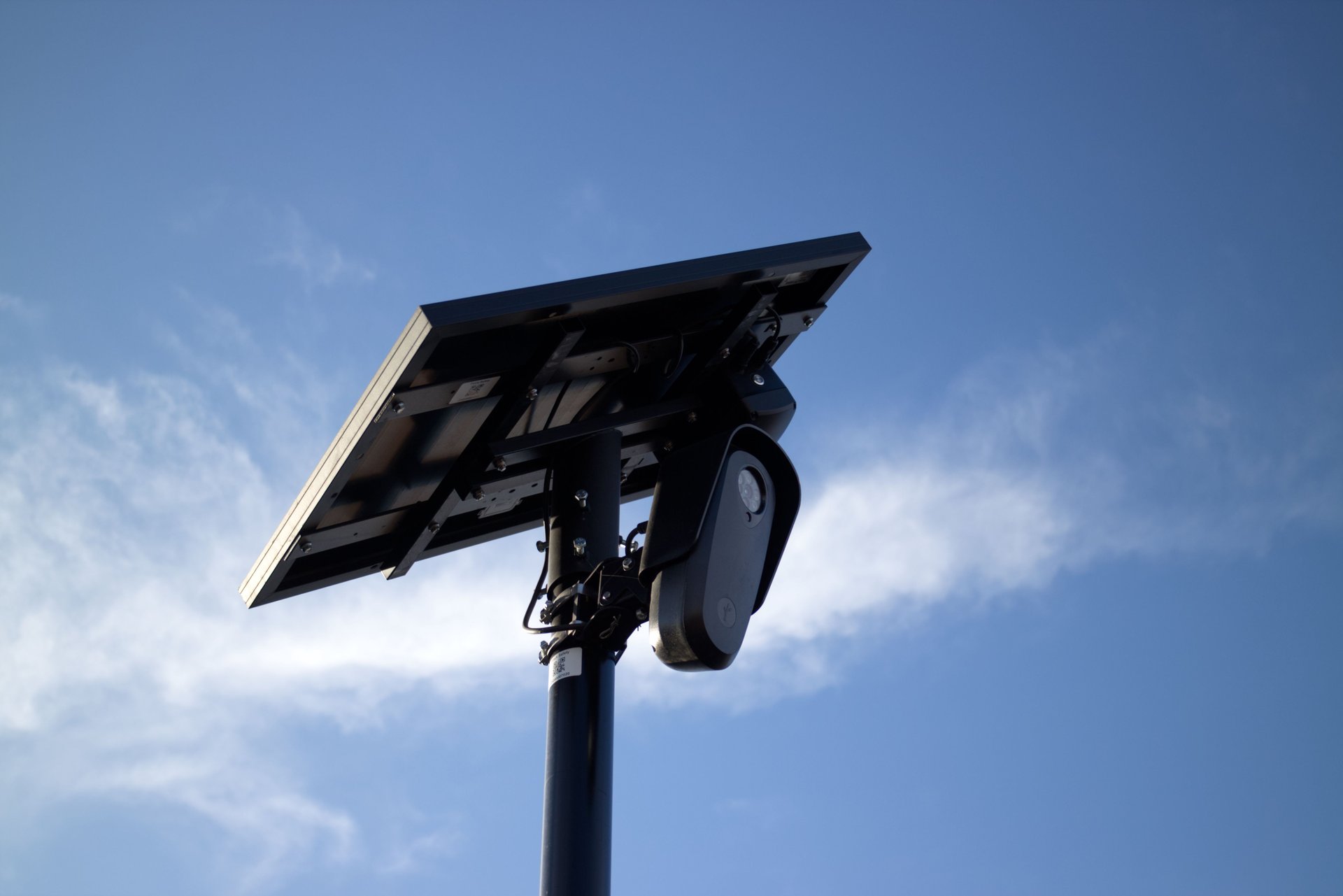
A Florida city has written the most concrete data retention policy to come out of the ALPR debate. It isn’t in statute. It’s in an internal memo.
The Port St. Lucie Police Department runs 126 plate readers [1]. Since August 31 it has held them in an “operational pause” — access limited to “exigent circumstances” involving immediate threat to life or the search for missing children [1][2]. And the measure it put around those cameras is operational, not declarative: it deletes the data seven days after collection [1].
Small number, and that is exactly why it’s the only one worth citing. The vendor behind part of that network cut its own default retention from 30 days to 7 days on August 13, arguing that “over 90% of searches without a full plate are done within a week” [5]. But its published policy is blunt about who decides: the customer sets their own retention period [6], and existing customers keep the window they had already approved [5].
The part that matters to a buyer: a 7-day window isn’t a magic number, it’s a decision somebody signed. St. Lucie County’s memo goes further than that — it narrows camera use to forcible felony and missing-person cases, requires undersheriff approval, and restricts access to lieutenants and above [3]. Port St. Lucie’s own pause adds one more gate: the chief of police authorizes each use [3].
Worth keeping the universes straight: the 126 is the department’s entire network [1]; the 18 Flock cameras in county and state rights-of-way that the vendor was due to pull by September 30 [4] are a different subset [4]. And when a provider publishes a default, the mechanism underneath it is automatic rolling deletion — “hard deleted on a rolling 7-day basis” [7] — but the document that fixes what you actually have is the order form, which the vendor itself calls the authoritative record of what is configured [7].
Three questions for your contract, then: how many days does your provider retain by default, who approved that number, and who can extend it? If none of the three is in writing, your real window is your provider’s, not yours.
P.D. How many days does your video system retain today? Get the answer from the contract, not the vendor’s brochure. If it isn’t in a signed document, the number you have is the vendor’s.
📰 Source: St. Lucie Voice (Oct 8, 2026) + CBS12/WPEC (Sept 1, 2 and 29, 2026) + Flock Safety’s published policies (Aug 13, 2026).
Sources
- St. Lucie Voice — Charles Caloia, “Mystery of 13 ‘unpermitted’ A.I. cameras endures here” (Oct 8, 2026) — trade_press, accessed 2026-10-23.
- CBS12 (WPEC) — Justin Backer, “Port St. Lucie Police pause Flock camera use after FDOT revokes state road permits” (Sept 1, 2026) — trade_press, accessed 2026-10-23.
- CBS12 (WPEC) — Eric Weiss & Jack Wu, “St. Lucie commissioners pull Flock cameras from all county roads, property” (Sept 2, 2026) — trade_press, accessed 2026-10-23.
- CBS12 (WPEC) — Eric Weiss & Antoinette DelBel, “Port St. Lucie pauses Flock program; 18 cameras set for removal Sept. 30” (Sept 29, 2026) — trade_press, accessed 2026-10-23.
- Flock Safety — Garrett Langley, “Flock Updates Privacy, Accountability, Security, and Transparency Safeguards” (Aug 13, 2026) — vendor_datasheet, accessed 2026-10-23.
- Flock Safety — “Data Privacy & Retention Policies” — vendor_datasheet, accessed 2026-10-23.
- Finding Flock — “How long do Flock cameras keep data?” — industry_report, accessed 2026-10-23.